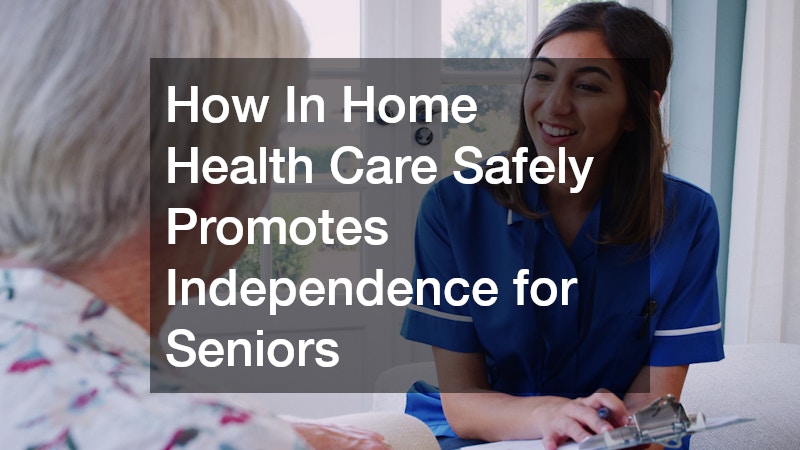
As individuals age, the desire to remain in the comfort and familiarity of their own homes often becomes a top priority. Aging in place allows older adults to maintain a sense of dignity, comfort, and connection to their communities that can sometimes be lost in institutional settings. However, balancing the natural desire for autonomy with the very real physical and medical challenges of aging can be difficult for families to navigate. Professional in home health care provides a vital solution by bridging the gap between independent living and necessary medical or personal support, ensuring that older adults do not have to sacrifice their freedom for their safety. By introducing trained professionals into the home environment, families can find peace of mind knowing their loved ones are receiving expert attention while still retaining control over their daily lives.
Personalizing Daily Care Routines
Maintaining a sense of normalcy through daily habits is essential for a senior’s mental and emotional well-being. In mass-care facilities, schedules are often dictated by institutional logistics, forcing residents to adapt to rigid times for waking, eating, and bathing. Home-based support flips this dynamic by centering the entire schedule around the individual’s long-standing preferences and comfort levels. When care is customized to fit an individual’s unique lifestyle, it ceases to feel like an intrusion and instead becomes a supportive framework that empowers the individual to face each day with confidence.
Specifically, a professional caregiver can assist with delicate tasks like bathing, dressing, and grooming in a way that preserves the senior’s dignity and self-reliance. Instead of taking over the entire task, the aide assists only where necessary, such as helping with hard-to-reach buttons or ensuring stability in the shower, while encouraging the individual to do the rest. This approach extends to meal preparation as well, where seniors can choose their own menus and even participate in cooking, thereby maintaining a vital sense of control over their personal environment and daily choices.
Managing Critical Medication Schedules
As health needs evolve, managing multiple prescriptions can become an overwhelming and potentially dangerous task for older adults. Medication non-adherence is one of the leading causes of preventable hospitalizations among seniors, often resulting in a sudden loss of independence and a forced transition to assisted living. Having a structured system overseen by a professional ensures that complex medical regimens are followed precisely, mitigating the risks of adverse drug reactions or missed doses. This targeted health management allows seniors to stay healthier longer, directly extending the period they can safely reside in their own homes.
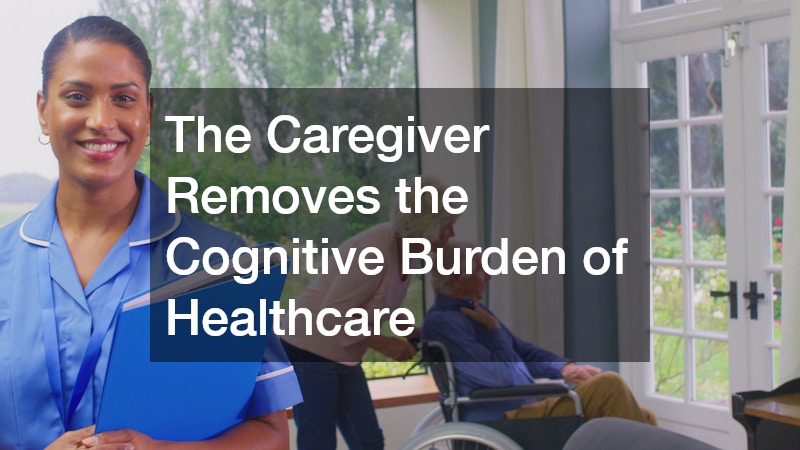
In practice, caregivers implement rigorous tracking protocols, utilizing pill organizers, automated reminders, and detailed logs to track exactly when each medication is taken. They also monitor the individual for subtle side effects or drug interactions, providing an essential line of defense that a senior living alone might lack. By coordinating directly with physicians and pharmacists to manage refills and clarify instructions, the caregiver removes the cognitive burden of healthcare logistics from the senior, allowing them to focus on enjoying their daily life safely.
Modifying Physical Living Spaces
A house that was perfectly safe for decades can rapidly develop hidden hazards as an individual’s mobility, balance, or vision declines. Environmental adaptation is a cornerstone of safe aging, transforming potential tripping or slipping hazards into supportive features that facilitate movement. By assessing and altering the living layout, older adults can continue to navigate their surroundings without constant supervision or fear of injury. Making these physical adjustments ensures that the home remains a sanctuary of freedom rather than a place of restriction or danger.
Concretely, this process involves targeted interventions such as installing sturdy grab bars in the bathroom, securing loose rugs, and upgrading lighting in dim hallways or stairwells. Caregivers play a crucial role in this transformation by identifying specific problem areas, like low chairs that are difficult to exit or cluttered walkways that impede walkers. They help rearrange furniture to create clear pathways and ensure that frequently used items in the kitchen and bedroom are kept within easy, safe reach, preventing the dangerous stretching or bending that often leads to falls.
Enhancing Safe Physical Mobility
Physical mobility is intrinsically tied to an individual’s perception of independence and overall quality of life. When older adults begin to lose confidence in their balance, they often become sedentary, which paradoxically accelerates muscle weakness and increases the likelihood of future accidents. Having dedicated physical assistance allows seniors to maintain an active lifestyle, keeping their muscles engaged and their joints flexible. This steady, safe physical activity is crucial for preventing the physical decline that frequently necessitates a move to a higher level of institutional care.
On a practical level, caregivers provide the physical steadiness required for safely transferring from beds to chairs, navigating stairs, and walking outdoors. They can supervise prescribed physical therapy exercises, ensuring that the senior uses proper form and stays motivated without overexerting themselves. By offering a steady arm during a walk around the neighborhood or assisting with light stretching routines, the caregiver helps the senior build stamina and balance, converting potentially risky physical movements into safe, confidence-building daily exercises.
Fostering Continued Personal Autonomy
True independence extends far beyond physical safety; it encompasses the mental and emotional freedom to make choices and direct one’s own life. Emotional well-being can decline rapidly when older adults feel that their opinions no longer matter or that their personal agency has been stripped away. Professional home support focuses heavily on honoring the individual’s voice, ensuring they remain the primary author of their daily experiences. This emphasis on self-determination prevents the feelings of helplessness and depression that often accompany the aging process.
Specifically, caregivers foster this autonomy by engaging seniors in meaningful conversations, respecting their opinions, and encouraging them to pursue long-held hobbies like gardening, reading, or crafting. They also facilitate social connections by helping the individual host friends, use technology to video chat with family, or visit local community centers. By acting as facilitators rather than dictators, caregivers ensure that the senior retains the power to decide how they spend their time, who they interact with, and how their personal space is run.
The combination of customized routines, careful medication oversight, environmental modifications, mobility assistance, and deep respect for personal autonomy creates a comprehensive safety net. This holistic approach ensures that aging adults do not have to give up their cherished homes or their sense of self to remain safe and healthy. By choosing a path that prioritizes both safety and self-reliance, families can honor their loved ones’ desires while ensuring they receive the high-quality care they truly deserve.