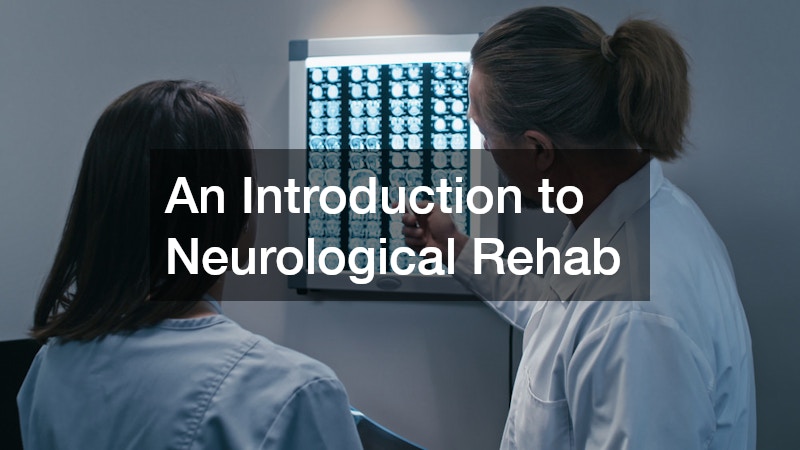
Neurological rehabilitation, often referred to as neuro rehab, is a specialized form of therapy aimed at improving the functioning of patients struggling with disorders, traumas, or diseases affecting the nervous system. The primary goal of neurological rehabilitation is to help individuals regain as much independence as possible by enhancing their physical, emotional, and cognitive capabilities. This form of rehabilitation is crucial for patients recovering from strokes, brain injuries, spinal cord injuries, and other neurological conditions. Neuro rehab is not a one-size-fits-all approach; it requires a comprehensive plan that is tailored to the unique needs of each individual, often involving a team of health professionals. By focusing on functional outcomes, neuro rehab promotes improvement in quality of life for patients and supports their integration back into society.
The Process of Neuro Rehab
The process of neurological rehabilitation begins with a comprehensive assessment conducted by the interdisciplinary team at a neuro rehab center. This evaluation aims to identify the specific deficits and needs of the patient, providing a baseline from which to measure progress. An initial assessment typically includes physical examinations, cognitive tests, and discussions regarding the patient’s personal goals. Understanding these factors is crucial as it influences the creation of an individualized rehab plan tailored to optimize recovery. This thorough assessment ensures that each patient’s journey is unique to their abilities and objectives, laying the groundwork for successful rehabilitation.
Following the initial evaluation, the next step involves setting realistic goals and developing an individualized treatment plan. Collaboration is key during this stage; healthcare professionals and the patient work together to establish goals that are personalized and time-specific. These objectives act as a roadmap for the rehabilitation journey, providing clear targets and motivating factors for both short-term and long-term achievements. Regular review sessions are scheduled to track the patient’s progress and make any necessary modifications to the treatment plan. By remaining adaptive, the rehab process at a neuro rehab center ensures that patient needs are continuously met.
Active participation is a vital component of the neuro rehab process, requiring engagement from both the patient and the rehabilitation team. Patients need to commit to their therapy sessions and homework assignments, while practitioners offer guidance and support to overcome challenges. The dynamic between patient and therapist is significant, influencing the pace and efficacy of recovery. This collaborative approach enhances the rehabilitation process by providing encouragement and accountability. The support network within a neuro rehab center fosters an environment conducive to recovery, where patients feel empowered to achieve their rehabilitation goals.
Benefits and Impact of Neuro Rehab
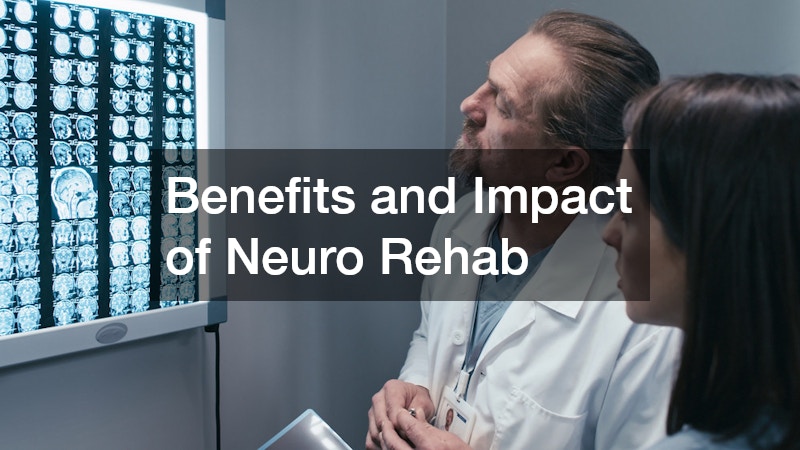
Neurological rehabilitation provides numerous benefits that are instrumental in enhancing the patient’s quality of life. One of the primary advantages is the improvement in mobility and physical function, which significantly impacts daily living activities. Through targeted exercises and gait training, patients can often regain a degree of independence, enabling them to perform daily tasks with greater ease and confidence. Furthermore, neuro rehab can lead to improvements in cognitive functions such as memory, attention, and problem-solving skills, which are essential for social interaction and professional abilities. Overall, the impact of an effective neuro rehab program extends beyond physical recovery, touching upon emotional and social facets of life.
The psychological benefits of neuro rehab are profound, as it addresses the emotional and mental health aspects associated with neurological conditions. Coping with a neurological disorder or injury can be psychologically taxing, leading to problems such as depression and anxiety. Rehabilitation centers offer counseling and support groups to help patients process their experiences and emotions. This emotional support is crucial as it fosters resilience, hope, and motivation—essential elements in the rehabilitation journey. The nurturing environment at a neuro rehab center also helps patients build a supportive network with peers who understand their challenges and triumphs.
Family involvement is an integral component of the rehabilitation process, as it can significantly affect the patient’s motivation and recovery outcomes. Family members are encouraged to participate in therapy sessions and are often provided with education on how to support their loved one at home. This involvement helps bridge the gap between the neuro rehab center and the patient’s everyday environment, ensuring a cohesive approach to recovery. With their support, patients have a better chance of maintaining the gains achieved during rehab, promoting sustained improvements in quality of life. Ultimately, the collaborative effort between patients, families, and therapists maximizes the success of neurological rehabilitation.