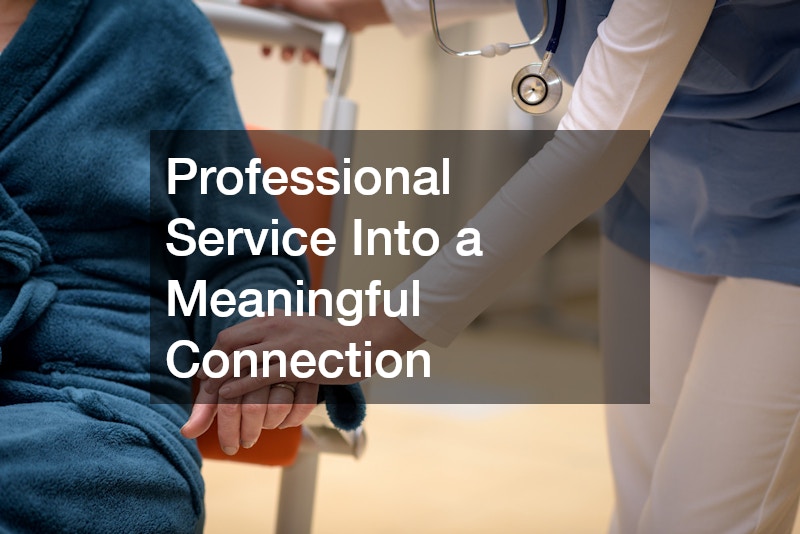
The process of selecting the right support for yourself or a loved one is a journey that requires equal parts practical evaluation and emotional intuition. Many families approach this transition with a mix of apprehension and relief, recognizing that while help is needed, the sanctity of the private residence must be preserved. Opting for professional home care allows an individual to remain in their cherished environment, surrounded by the comforts of a lifetime, while receiving the precise level of assistance necessary to ensure safety and well-being. This decision is not merely about checking off a list of tasks; it is about finding a partner who respects your history and supports your future independence. By taking a methodical approach to this search, you can transform a daunting administrative hurdle into a life-enhancing connection that brings peace of mind to the entire family.
Assessing Your Specific Care Requirements
The first step in finding the right provider involves a comprehensive look at the daily challenges and goals of the person receiving the support. It is essential to look beyond just medical needs and consider the social, emotional, and household requirements that contribute to a high quality of life. An honest assessment helps determine whether the primary need is for specialized nursing, basic companionship, or help with the physical logistics of maintaining a household. By defining these needs clearly from the outset, you create a roadmap that ensures the home care provided is neither insufficient nor unnecessarily intrusive, striking a perfect balance for aging in place.
Researching Reputable Local Care Agencies
Once your needs are defined, the focus shifts to identifying the organizations within your community that have a proven track record of reliability and excellence. A reputable agency acts as more than just a staffing service; it serves as a clinical and administrative backbone that handles background checks, insurance, and ongoing training for its employees. Researching these entities involves looking at their history in the area, their standing with local health departments, and the specific philosophy they bring to their caregiving models. Choosing an established agency provides a layer of security and professional oversight that is often missing when hiring an independent contractor.
Interviewing Potential Caregivers for Compatibility
While an agency provides the professional framework, the daily experience of care is defined by the personal relationship between the caregiver and the client. Interviewing potential candidates is a vital step in ensuring that the person entering the home is not only competent but also a good personality match. This conversation is an opportunity to gauge the caregiver’s temperament, their communication style, and their genuine interest in the well-being of their clients. A successful match is built on mutual respect and shared interests, turning a professional service into a meaningful human connection that enriches the senior’s daily life.
Verifying Professional Credentials and References
In the interest of safety and clinical excellence, it is imperative to move beyond the interview and verify the technical qualifications of your chosen provider. This involves a formal check of any professional licenses, such as a Certified Nursing Assistant (CNA) or Home Health Aide (HHA) designation, to ensure the caregiver has the proper training for the tasks they will perform. Verifying references from previous families is equally important, as it provides an unfiltered look at the caregiver’s work ethic and reliability in a real-world setting. This step provides the final confirmation that the person you are bringing into your home is as capable and trustworthy as they appear on paper.
Establishing a Sustainable Long-Term Care Plan
The final phase of the search is the creation of a dynamic care plan that can adapt as health needs and family circumstances evolve over time. A sustainable plan is not a static document but a living agreement between the family, the caregiver, and the agency that outlines clear expectations and communication protocols. It should address everything from daily schedules and emergency procedures to the long-term financial strategy for funding the care. By establishing these boundaries and goals early on, you prevent the misunderstandings and “caregiver burnout” that can occur when roles are poorly defined or support is inconsistent.
Finding the right support is about more than just filling hours on a calendar; it is about building a foundation of trust that allows a senior to thrive. The effort you put into assessing needs, researching agencies, and verifying credentials pays off in the form of a safe, dignified, and joyful living environment. By choosing a partner who aligns with your values and health goals, you ensure that home remains the best place to be for years to come.